|
||||||||||||||||||||||||||||||||||||||||||||||||||||||||||||||
|
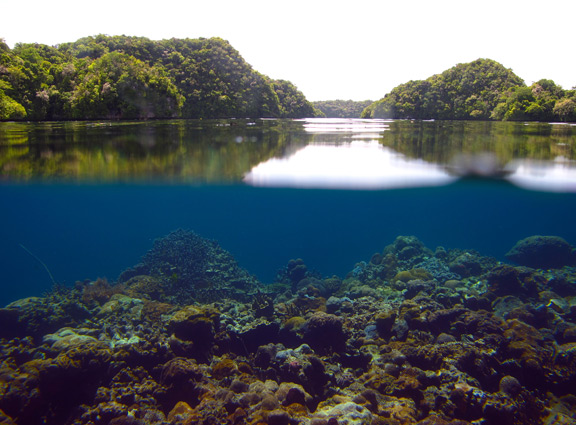
Why 30% of the Ocean Should Be Protected, According to New Study credit: The Pew Charitable Trusts |
||||||||||||||||||||||||||||||||||||||||||||||||||||||||||||||
Catching a Coral KillerFirst ever case of human-caused marine disease
What you are doing for coral reefs and oceans:
News and Solutions CenterNews from international sources and from individuals about coral reefs and the oceans. |
||||||||||||||||||||||||||||||||||||||||||||||||||||||||||||||
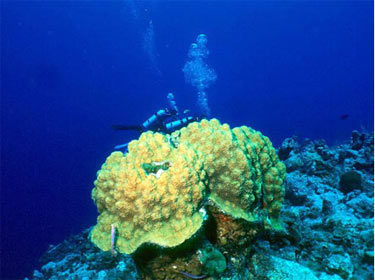
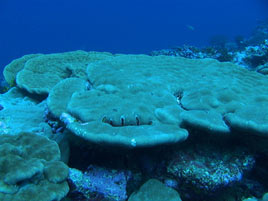
Scientists are studying coral reefs in areas where low pH is naturally occurring to answer questions about ocean acidification, which threatens coral reef ecosystems worldwide. A new study led by scientists at the Woods Hole Oceanographic Institution (WHOI) found that coral reefs in Palau seem to be defying the odds, showing none of the predicted responses to low pH except for an increase in bio-erosion--the physical breakdown of coral skeletons by boring organisms such as mollusks and worms.
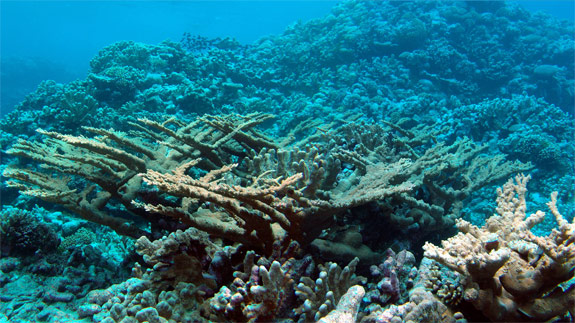
Palau's beautiful coral reefs are surprisingly resistant to the effects of ocean acidification. Photograph by WHOI courtesy of NSF. Rapid Decline of Caribbean Corals Can Be Reversed According to Newly Released Status Report “The rate at which the Caribbean corals have been declining is truly alarming…They are a major oceanic ecosystem, this is a tragedy that must be reversed,” says Carl Gustaf Lundin, Director of IUCN’s Global Marine and Polar Programme. But the study, Status and Trends of Caribbean Coral Reefs: 1970-2012, “brings some very encouraging news: the fate of Caribbean corals is not beyond our control and there are some very concrete steps that we can take to help them recover.”
Implementation of Crucial Steps to Protect and Preserve Oceans Expanded protections near the Pacific Remote Islands Marine National Monument in the south-central Pacific Ocean will add to the Pacific Marine Protected Areas, Marine National Monuments, designated by President George W. Bush, and the declaration of the Phoenix Islands a protected area to ensure its biological diversity and sustainability by small Pacific Island nation of Kiribati.
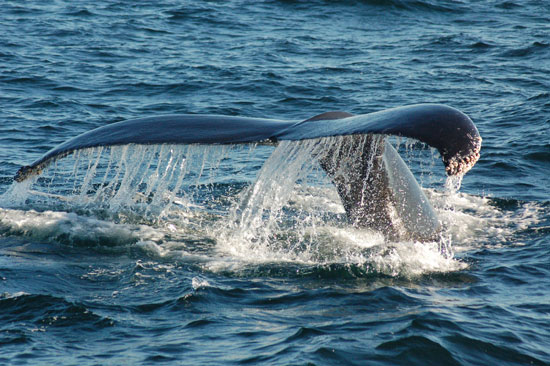
Humpback whale tail is displayed as animal dives in Stellwagen Bank National Marine Sanctuary. In the Pacific, humpbacks migrate seasonally from Alaska to Hawaii--they can complete the 3,000 mile (4,830 km) trip in as few as 36 days! Text and photograph courtesy of NOAA Sylvia Earle Alliance’s Mission Blue and Partners Establish Ocean Hope Spots
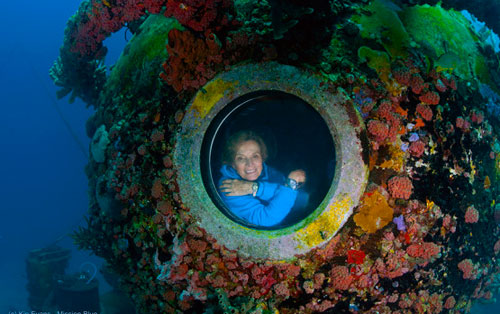
Dr. Sylvia Earle, "Her Deepness” peering out from a porthole. Feature Photograph by Kip Evans / Mission Blue On October 22, 2013, news coming from the3rd International Marine Protected Areas Congress (IMPAC 3) reported that Dr. Sylvia Earle, Mission Blue and the International Union for Conservation of Nature (IUCN), have launched 31 new Mission Blue Hope Spots -- places of special significance in the ocean where Mission Blue will focus its efforts. There are now 50 Hope Spots globally. Mission Blue calls this “a path forward for protecting our Blue Heart.” "Ocean In Focus" Photography Contest to Advance Ocean Conservation: Finalists Announced
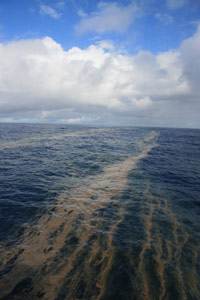
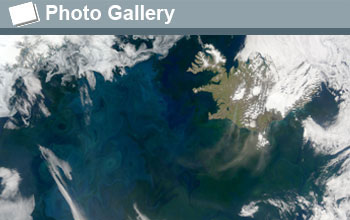
Scientists Discover New Trigger for Immense North Atlantic Plankton Bloom
Venezuela Ends Shark Finning, Creates Protected Area
Learning from Earth’s History about Changing the Chemistry of the Atmosphere and Oceans
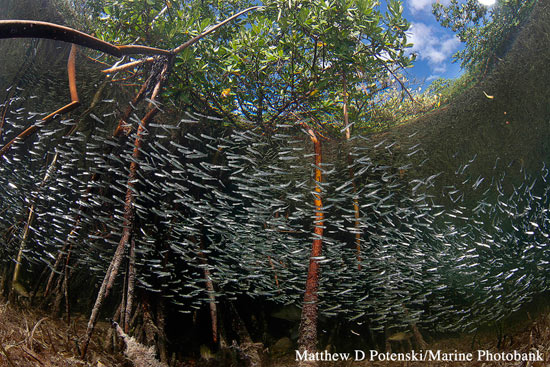
Working to Protect Bermuda's 'Golden Rainforest of the Sea'
Pew Calls for Extra Resources to Protect Penguin Food
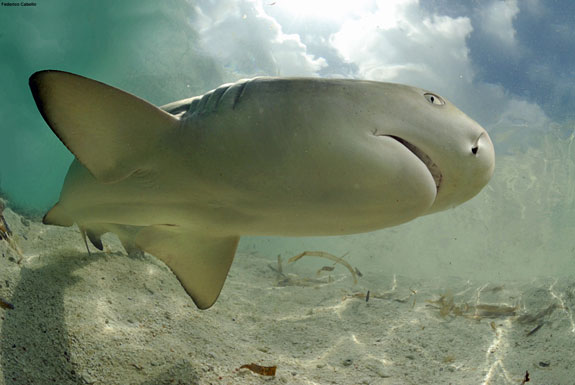
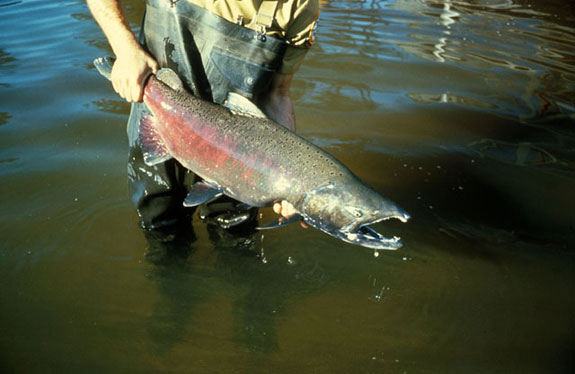
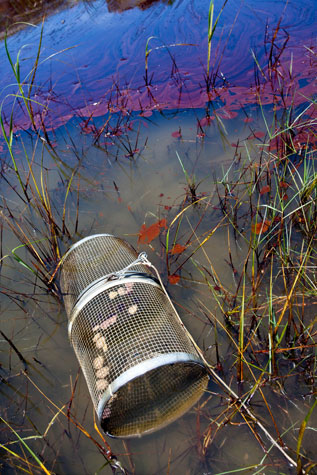
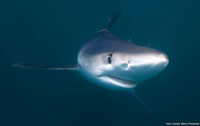
Gulf of Mexico Deepwater Horizon Spill Effects on Fish Revealed:
|
||||||||||||||||||||||||||||||||||||||||||||||||||||||||||||||
|
||||||||||||||||||||||||||||||||||||||||||||||||||||||||||||||
 Magic Porthole at http://www.magicporthole.org has been selected for inclusion in the American Library Association's (ALA) Great Web Sites for Kids. The ALA, established in 1853, is dedicated to providing "leadership for the development, promotion and improvement of library and information services and the profession of librarianship in order to enhance learning and ensure access to information for all." The Association of Library Service to Children (ALSC) Children and Technology Committee established the Great Web Sites for Kids in 1997. The ALSC is, according to its web page, "the world's largest organization dedicated to the support and enhancement of library service to children." Magic Porthole at http://www.magicporthole.org has been selected for inclusion in the American Library Association's (ALA) Great Web Sites for Kids. The ALA, established in 1853, is dedicated to providing "leadership for the development, promotion and improvement of library and information services and the profession of librarianship in order to enhance learning and ensure access to information for all." The Association of Library Service to Children (ALSC) Children and Technology Committee established the Great Web Sites for Kids in 1997. The ALSC is, according to its web page, "the world's largest organization dedicated to the support and enhancement of library service to children."The ALA's letter of congratulations to Magic Porthole said "Great Web Sites for Kids are those considered the best web sites for ages birth to 14, outstanding in both content and conception. As applied to web sites for young people, "great" should be thought to include sites of especially commendable quality; sites that reflect and encourage young people's interests in exemplary ways." |
||||||||||||||||||||||||||||||||||||||||||||||||||||||||||||||
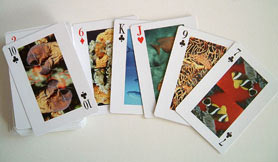
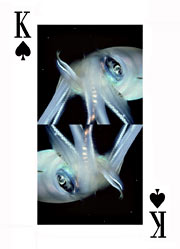
Horizon International’s Magic Porthole coral reef playing cards with intriguing, fun photographic mirror-images are providing a new chance to explore life in coral reefs. Launched in December in advance of the international Year of the Reef (IYOR) 2008, the cards, printed in the United States, are being sold by museums, aquaria and a wide variety of outlets and can be purchased here on the Magic Porthole Web Shop page. |
||||||||||||||||||||||||||||||||||||||||||||||||||||||||||||||
Professor Charles Sheppard of the University of Warwick, UK, responded to what he perceived as the need to have a good, comprehensive source of identification for the main reef occupiers and builders of Caribbean reefs, namely corals, soft corals and sponges by developing Coralpedia. |
||||||||||||||||||||||||||||||||||||||||||||||||||||||||||||||
The small Pacific Island nation of Kiribati has become a global conservation leader by declaring the Phoenix Islands a protected area to ensure its biological diversity and sustainability. It is a California-sized ocean wilderness of pristine coral reefs and rich fish populations threatened by over-fishing and climate change. |
||||||||||||||||||||||||||||||||||||||||||||||||||||||||||||||
Scientists at the National Coral Reef Institute are currently growing more than 400 corals from the larval stage as part of NOAA-funded research, and will transplant them to restore damaged coral reefs. Producing juvenile corals from the larval stage for transplantation is better for the health and longevity of coral reefs because it produces new coral, rather than moving around already existing fragments collected in the field. |
||||||||||||||||||||||||||||||||||||||||||||||||||||||||||||||
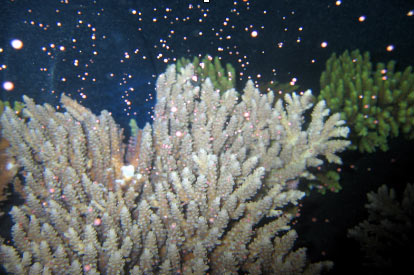
An international team of Australian and Israeli researchers has discovered what could be the aphrodisiac for the biggest moonlight sex event on Earth. An ancient light-sensitive gene has been isolated by researchers from the ARC Centre of Excellence for Coral Reef Studies (CoECRS) that appears to act as a trigger for the annual mass spawning of corals across a third of a million square kilometres of Australia’s Great Barrier Reef, shortly after a full moon. |
||||||||||||||||||||||||||||||||||||||||||||||||||||||||||||||
President George W. Bush created the world’s largest marine conservation area off the coast of the northern Hawaiian Islands in order to permanently protect the area’s pristine coral reefs and unique marine species. On June 15, 2007, the President used his authority under the Antiquities Act to designate the area a national monument. The Northwestern Hawaiian Islands Marine National Monument encompasses nearly 140,000 square miles of U.S. waters, including 4,500 square miles of relatively undisturbed coral reef habitat that is home to more than 7,000 species. As of February 2008, with the establishment of the Kiribati preserve, it is now the second largest marine conservation area. |
||||||||||||||||||||||||||||||||||||||||||||||||||||||||||||||
The FKNMS was charged with crafting a management plan to provide for the continued public and private use of the Sanctuary while ensuring adequate resource protection. The Sanctuary’s authorizing legislation directed managers to consider using temporal and geographic zoning to achieve these goals. |
||||||||||||||||||||||||||||||||||||||||||||||||||||||||||||||
Bonaire National Marine Park is considered by many to be an exemplary model for marine protected areas. Tourism plays a primary role in its success. |
||||||||||||||||||||||||||||||||||||||||||||||||||||||||||||||
Reef fish and other marine species can breathe easier with the introduction of a fishing ban around Apo Reef, the largest coral reef in the Philippines and the second largest contiguous reef in the world after the Great Barrier Reef. |
||||||||||||||||||||||||||||||||||||||||||||||||||||||||||||||
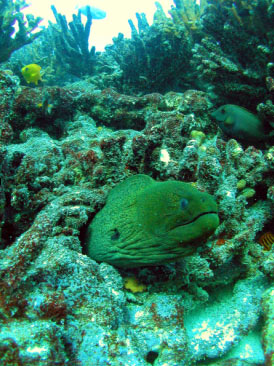
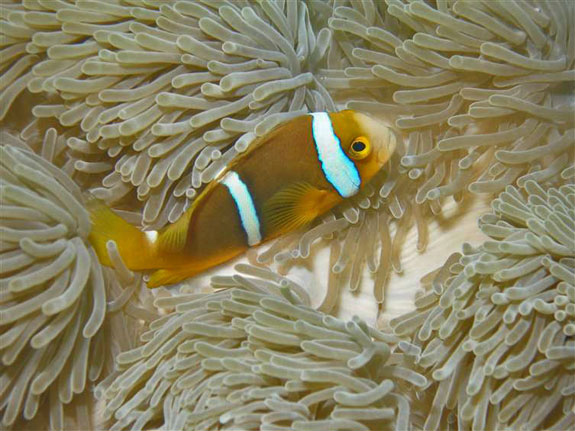
Horizon International announced the launch of its Magic Porthole coral reef playing cards with photographic mirror-images of coral reef creatures. Prowling barracuda, shrimp and goby fish working together for survival, a frogfish dangling a lure to catch his prey, clown fish securing themselves in anemones, a cleaner shrimp cleaning the teeth of a Morey eel, and corals in their closed daytime posture and at night when their polyps full of water make their tentacles fan out to catch plankton are among the 52 unique pictures on both versions of the decks of cards. They can be purchased at several museums, aquariums and dive shops and a variety of stores and here on the Magic Porthole Web Shop page. |
||||||||||||||||||||||||||||||||||||||||||||||||||||||||||||||
Microbial profiles serve as the ecological version of the human genome project."Now microbes can be studied by what they can do not who they are," said Lita Proctor, an National Science Foundation program director. |
||||||||||||||||||||||||||||||||||||||||||||||||||||||||||||||
Trade in red and pink corals prized as jewelry for 5,000 years will be restricted to try to help the species recover after drastic over-exploitation, a United Nations wildlife conference, the Convention on International Trade in Endangered Species(CITES,) agreed on June 15, 2007. |
||||||||||||||||||||||||||||||||||||||||||||||||||||||||||||||
| What Is Magic Porthole™? • Wonders of Coral Reefs • Episodes & Games • IYOR • News Ecoknowledge Cards • Resources • Exhibit • Contests • Shop • Advisory Board • Dolphins • Credits Oceana • Census of Marine Life • Sea Otters • Contact Us |
||||||||||||||||||||||||||||||||||||||||||||||||||||||||||||||
 |




















-Shutterstock.com.jpg)
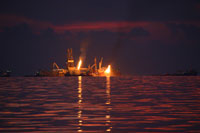 Flares of captured gas (left) and oil (right) at the Deepwater Horizon spill site in June 2010. Photograph by David Valentine